Chapter One — The New Frontier of Human Health
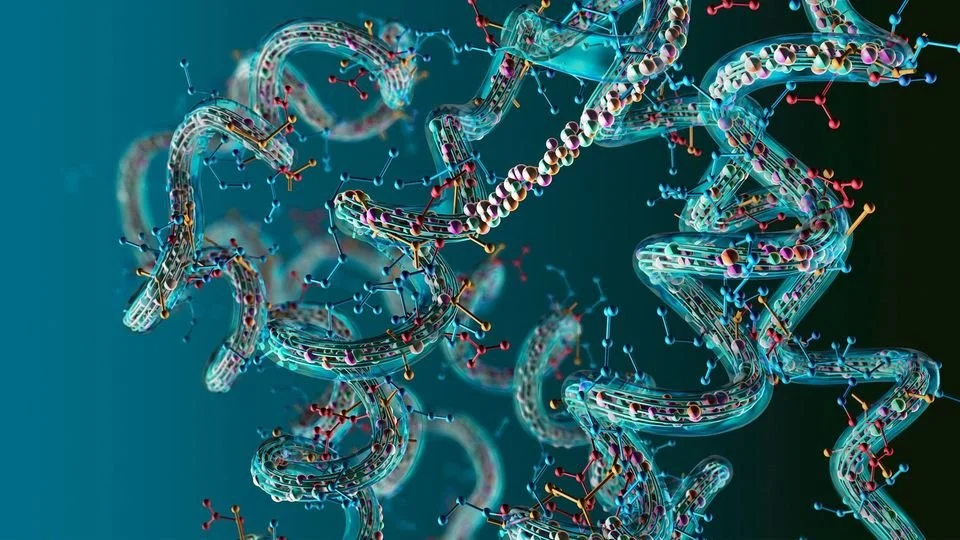
Peptide Microscopy Slide
For most of modern history, medicine has largely been reactive. People become sick, symptoms appear, and healthcare systems respond by treating disease after damage has already begun. Yet a profound shift is now underway.
A growing movement of scientists, physicians, entrepreneurs, athletes, and everyday individuals is beginning to focus not simply on extending life, but on extending vitality.
This movement is known as longevity science.
At the center of this rapidly emerging field lies one of the most fascinating developments in modern biotechnology: peptides.
Peptides are now being discussed in anti-aging clinics, sports performance circles, regenerative medicine conferences, wellness podcasts, biohacking communities, and biotechnology laboratories around the world. Once largely confined to academic science, they are increasingly entering mainstream conversations surrounding recovery, metabolism, obesity treatment, tissue repair, cognitive performance, inflammation management, sleep optimization, and preventative healthcare.
The rapid emergence of peptide interest reflects a much larger transformation taking place within healthcare itself.
For decades, most medical systems focused primarily on acute disease management. Physicians treated infections, repaired injuries, prescribed medications, and responded to symptoms after they became severe enough to demand intervention.
Modern longevity science is beginning to ask a different question entirely:
“How do we preserve health before major decline occurs?”
This shift may ultimately reshape medicine more profoundly than many people realize.
The Rise of Preventative Health and Longevity Medicine
Human beings are living longer than previous generations.
Advances in sanitation, antibiotics, vaccines, surgery, emergency medicine, and pharmaceuticals dramatically increased average lifespan throughout the twentieth century. However, living longer has also exposed a new challenge.
Many people now spend the later decades of life struggling with:
obesity
cardiovascular disease
diabetes
arthritis
chronic inflammation
neurodegenerative conditions
metabolic dysfunction
declining mobility
cognitive deterioration
In other words, lifespan increased faster than healthspan.
Healthspan refers to the number of years a person remains energetic, functional, mentally sharp, physically active, and independent.
This distinction has become one of the defining concepts in modern wellness and longevity medicine.
People no longer simply want to survive longer.
Increasingly, they want to preserve quality of life.
This has fueled enormous growth in:
functional medicine
metabolic health optimization
preventative diagnostics
regenerative medicine
wearable health technology
recovery science
anti-aging clinics
peptide therapy
biohacking culture
Peptides have emerged directly within this broader movement.
Why Peptides Have Captured Global Attention
Peptides are fascinating because they sit at the intersection of biology, technology, and optimization.
Unlike many traditional pharmaceutical approaches that suppress symptoms, peptides are often discussed as signaling molecules capable of influencing communication pathways already present within the body.
This distinction is one reason peptides have generated such intense interest.
Supporters believe peptides may help support:
recovery
tissue repair
metabolic health
sleep quality
cognitive performance
immune function
inflammation regulation
healthy aging pathways
For example, athletes often discuss recovery-oriented peptides after injuries or periods of intense training. Wellness clinics increasingly discuss metabolic peptides within obesity treatment programs. Longevity enthusiasts explore compounds associated with mitochondrial function, growth hormone signaling, and cellular resilience.
The appeal is obvious.
People are increasingly searching for tools that may help them remain functional, productive, active, and mentally sharp as they age.
However, the rapid growth of peptide discussions has also generated controversy.
Some scientists caution that enthusiasm has moved faster than large-scale human clinical evidence for many compounds. Others worry aggressive marketing may create unrealistic expectations.
This tension between possibility and caution defines much of the peptide industry today.
The Influence of Modern Wellness Culture
The rise of social media and digital health culture has accelerated public interest in longevity science.
Podcasts, YouTube channels, fitness influencers, physicians, entrepreneurs, and wellness brands now discuss topics that were once considered highly niche.
Terms like:
biological age
metabolic flexibility
mitochondrial health
inflammation
recovery optimization
hormone balance
biohacking
fasting
regenerative medicine
have entered mainstream vocabulary.
This cultural shift reflects growing dissatisfaction with reactive healthcare.
Many individuals now want greater control over their health outcomes.
People increasingly track:
sleep data
glucose levels
exercise recovery
heart rate variability
body composition
stress metrics
nutrient intake
Health itself is becoming increasingly data-driven.
Peptides have naturally become part of this conversation because they represent a highly modern form of biological optimization.
A Real-World Example of the Longevity Shift
Consider the evolution of exercise culture.
Several decades ago, fitness primarily focused on aesthetics and athletic performance.
Today, exercise is increasingly discussed as a longevity tool.
Strength training is now associated with preserving mobility and reducing frailty. Cardiovascular exercise is linked to metabolic health and cognitive protection. Recovery practices such as sleep optimization, sauna use, cold exposure, and stress reduction are now discussed as essential health strategies.
This broader wellness philosophy has expanded into nearly every aspect of health.
People are no longer only trying to look younger.
They increasingly want to:
maintain independence
preserve mental sharpness
avoid chronic disease
improve energy
recover faster
remain active longer
enhance quality of life
Peptides have become deeply intertwined with these goals.
The Commercial Explosion of the Peptide Industry
The peptide industry itself has expanded rapidly.
Biotechnology companies, telemedicine providers, wellness clinics, pharmaceutical firms, anti-aging centers, and performance-focused brands are all investing heavily into peptide-related markets.
The rise of GLP-1 metabolic therapies alone dramatically transformed public awareness surrounding peptide medicine.
At the same time, regenerative medicine clinics increasingly market recovery-oriented therapies to consumers seeking alternatives to traditional approaches.
This commercial growth has created both opportunity and risk.
On one hand, innovation is accelerating rapidly.
On the other hand, rapid commercialization may sometimes outpace scientific clarity and regulatory oversight.
Readers exploring peptide science must therefore approach the subject with both curiosity and critical thinking.
The Purpose of This Book
This book was written to explore the emergence of peptides within the larger context of longevity science and preventative healthcare.
It is not intended to promote miracle cures or exaggerated claims.
Instead, its purpose is educational.
The chapters ahead will explore:
peptide biology
cellular signaling
inflammation
metabolism
recovery science
growth hormone pathways
mitochondrial health
obesity medicine
cognitive longevity
regenerative medicine
biohacking culture
personalized healthcare
future biotechnology trends
Along the way, readers will gain insight into why peptides have become one of the most discussed frontiers in modern wellness.
Whether peptides ultimately revolutionize medicine or simply become one chapter within a much larger longevity movement remains uncertain.
What is undeniable, however, is that the global conversation surrounding aging, optimization, and preventative health is changing rapidly.
Peptides now sit directly at the center of that transformation.