

Chapter 19: Biohacking and the Rise of Human Optimization
Biohacking represents a cultural shift toward proactive, data-driven self-improvement. Peptides fit naturally into this movement as precise tools for biological fine-tuning. While the enthusiasm can sometimes outpace rigorous evidence, the underlying philosophy — taking ownership of one’s health outcomes — is powerful and aligns closely with longevity science.
Chapter 20: Oral Peptides vs Injectable Peptides
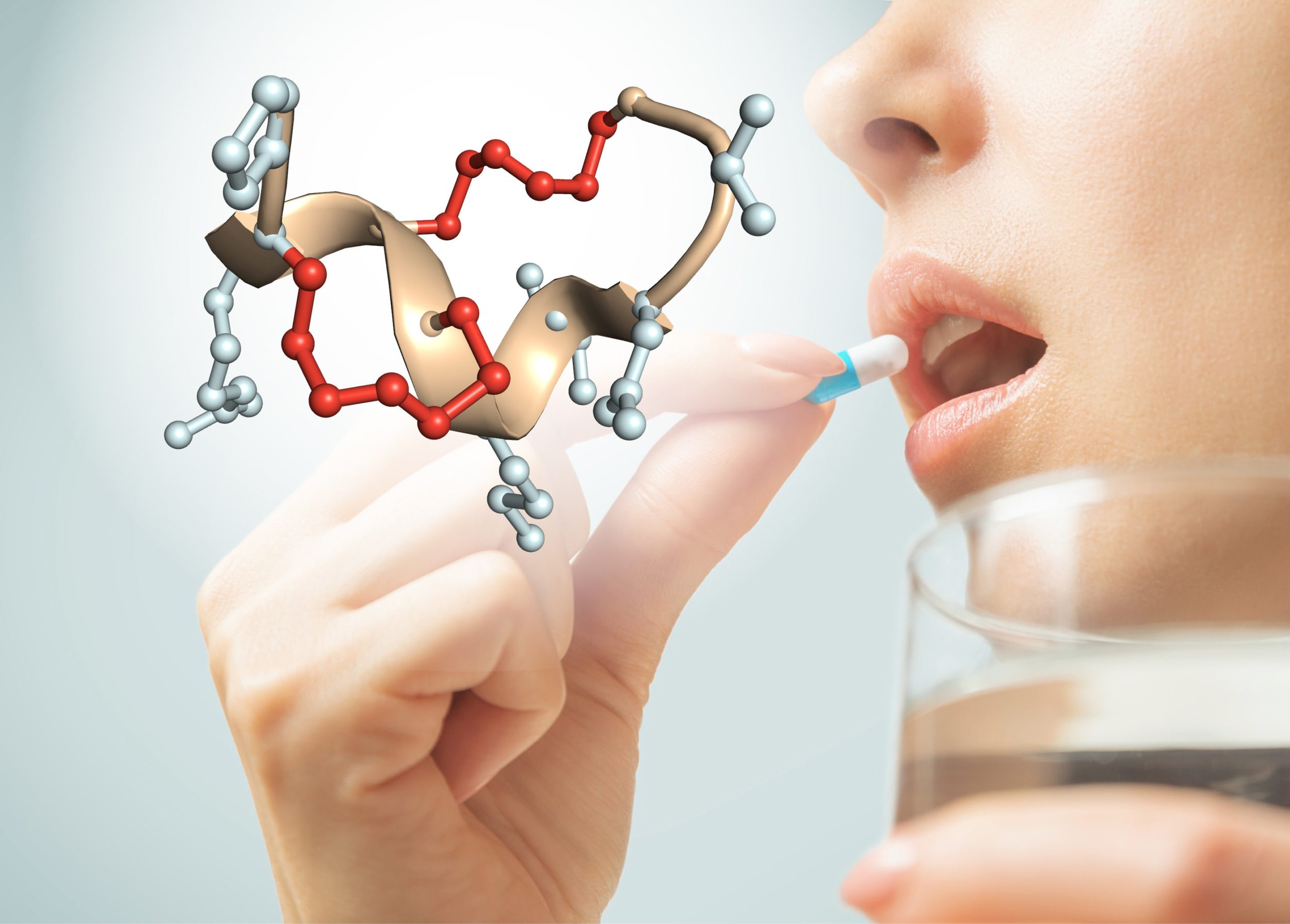
The method of delivery significantly influences a peptide’s practicality, bioavailability, user compliance, and overall adoption. For decades, injectable peptides dominated therapeutic and biohacking discussions due to their high absorption rates. However, advances in biotechnology are rapidly expanding non-injectable options, potentially transforming peptides from niche tools into more mainstream wellness interventions.

Chapter 21: The Business of Peptides
The peptide industry has transformed from a specialized academic and pharmaceutical niche into a rapidly expanding, multi-billion-dollar sector. What was once confined to research laboratories and a handful of approved drugs has become a dynamic marketplace attracting biotechnology startups, large pharmaceutical companies, wellness entrepreneurs, telemedicine platforms, and venture capital investors. This commercial explosion reflects surging consumer demand for longevity, performance optimization, and preventative health solutions.
Chapter 22: Regulatory Challenges and Ethical Questions
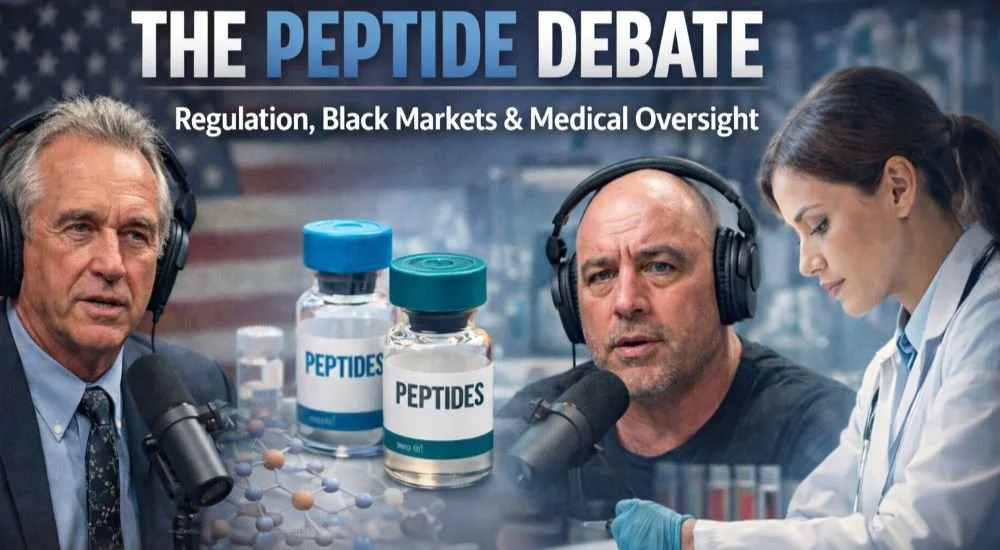
Peptides occupy one of the most complex and rapidly evolving regulatory landscapes in modern medicine. Unlike traditional small-molecule drugs, many peptides exist in ambiguous legal categories that vary significantly by jurisdiction, intended use, and method of distribution. This regulatory complexity creates both opportunities for innovation and substantial risks for consumers, practitioners, and businesses.