Chapter 7: Inflammation — The Silent Killer
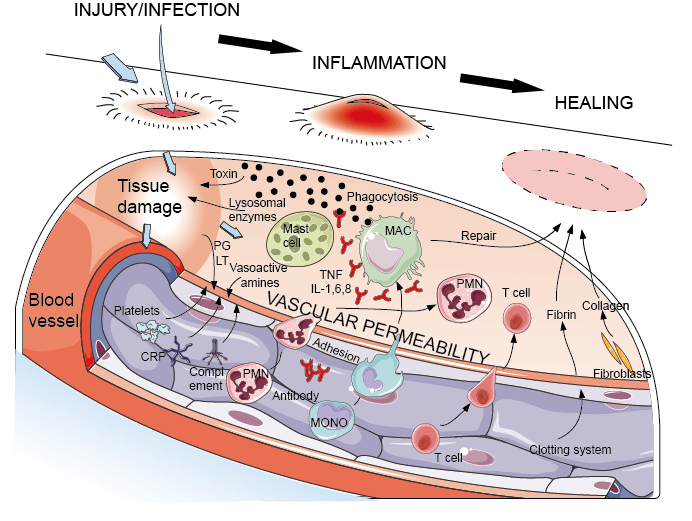
Inflammation has become one of the defining health discussions of the modern era.
For decades, many people associated inflammation only with visible injury or pain. A swollen ankle, a sore muscle, or a fever were obvious signs that the immune system was responding to a problem. Modern science now understands that inflammation can also exist quietly beneath the surface for years before symptoms become severe.
Researchers increasingly believe chronic low-grade inflammation may contribute to some of the most common diseases associated with aging.
This growing awareness has dramatically reshaped longevity medicine.
Understanding Acute vs Chronic Inflammation
Acute inflammation is essential for survival.
When someone cuts their hand, catches a virus, strains a muscle, or encounters harmful bacteria, the immune system launches an inflammatory response designed to protect the body.
Blood flow increases. Immune cells activate. Repair processes begin.
Without inflammation, human beings could not heal.
The problem arises when inflammation becomes chronic.
Instead of activating briefly and resolving, the body remains stuck in a prolonged inflammatory state.
Researchers now associate chronic inflammation with:
cardiovascular disease
obesity
diabetes
autoimmune disorders
arthritis
neurodegeneration
metabolic dysfunction
accelerated biological aging
Many longevity scientists now describe chronic inflammation as one of the central drivers of age-related decline.
The Modern Lifestyle and Inflammation
Modern life may unintentionally promote chronic inflammation in multiple ways.
Common contributors include:
poor sleep
processed food consumption
chronic stress
environmental toxins
sedentary lifestyles
obesity
smoking
excessive alcohol intake
blood sugar instability
A useful real-world example can be seen in chronic stress.
When humans experience prolonged psychological stress, cortisol and inflammatory signaling pathways may remain elevated for extended periods.
Over time, this can influence:
sleep quality
immune resilience
appetite regulation
metabolic function
recovery capacity
Many individuals today operate in a near-constant state of stimulation.
Work demands, digital overload, financial pressure, social media exposure, and sleep deprivation create an environment where the nervous system rarely fully recovers.
Researchers increasingly believe this modern lifestyle environment may significantly accelerate inflammatory burden.
Inflammaging: The Science of Aging and Inflammation
One of the most important concepts in longevity science is “inflammaging.”
This term describes the gradual increase in chronic inflammation associated with aging.
Scientists believe inflammaging may contribute to:
tissue degeneration
muscle loss
cognitive decline
cardiovascular disease
frailty
immune dysfunction
The body becomes less efficient at regulating inflammatory responses over time.
Recovery slows.
Damage accumulates.
Cellular repair processes become less effective.
Many researchers now believe reducing unnecessary inflammation may become one of the most important longevity strategies of the future.
This concept has fueled enormous interest in:
nutrition
fasting
exercise
sleep optimization
stress management
metabolic health
regenerative medicine
peptide research
Peptides and Inflammatory Regulation
Certain peptides are being explored for their potential influence on inflammation and tissue recovery.
Among the most discussed compounds in wellness and regenerative medicine communities are:
BPC-157
KPV
TB-500
Supporters believe these compounds may influence repair pathways, inflammatory signaling, gut integrity, and recovery mechanisms.
For example, BPC-157 has generated significant anecdotal discussion surrounding tendon recovery, digestive support, and injury healing.
Athletes frequently discuss using recovery-oriented peptides after overtraining, joint stress, or soft tissue injuries.
Some individuals report faster recovery times, reduced discomfort, and improved mobility.
However, it is important to emphasize that much of the excitement surrounding these compounds still exceeds the amount of large-scale human clinical evidence currently available.
This tension between anecdotal enthusiasm and scientific caution defines much of the peptide industry today.
Gut Health and Inflammation
One of the most fascinating discoveries in modern medicine is the relationship between gut health and systemic inflammation.
The digestive system does far more than process food.
Researchers now understand the gut influences:
immunity
mood
cognition
metabolism
inflammatory regulation
hormonal balance
When gut integrity becomes compromised, inflammatory molecules may enter circulation more easily.
Some researchers believe this may contribute to widespread low-grade inflammation throughout the body.
This has increased interest in therapies focused on restoring gastrointestinal health.
Many wellness practitioners now emphasize:
whole-food nutrition
fiber intake
microbiome diversity
stress reduction
sleep optimization
inflammatory food elimination
Peptides associated with gastrointestinal support have become increasingly popular within these discussions.
Exercise, Recovery, and Inflammation
Exercise itself creates temporary inflammation.
Intense training causes microscopic damage to muscle tissue.
The body then repairs that tissue, often leading to increased strength and adaptation.
This process is healthy.
Problems arise when recovery becomes insufficient.
Modern performance culture often glorifies overtraining, sleep deprivation, and relentless productivity.
However, elite athletes increasingly understand that recovery itself drives performance.
Many longevity experts now argue the same principle applies to aging.
The body requires periods of restoration to maintain resilience.
Sleep, nutrition, hydration, stress management, mobility, and recovery protocols all influence inflammatory balance.
This growing emphasis on recovery has contributed significantly to the rise of wellness technologies and regenerative therapies.
The Future of Anti-Inflammatory Longevity Medicine
The future of medicine may increasingly focus on identifying and reducing unnecessary chronic inflammation before severe disease develops.
This preventative approach could dramatically reshape healthcare systems worldwide.
Instead of waiting for advanced disease states to emerge, physicians may increasingly monitor:
inflammatory biomarkers
metabolic health
biological age
recovery metrics
mitochondrial function
sleep quality
Longevity science is steadily moving toward proactive intervention.
Peptides may eventually become one component within larger anti-inflammatory wellness strategies.
However, the broader lesson extends beyond any single therapy.
The body thrives when stress and recovery remain balanced.
Inflammation itself is not the enemy.
Uncontrolled chronic inflammation may be.