Chapter 8: Mitochondria and Human Energy
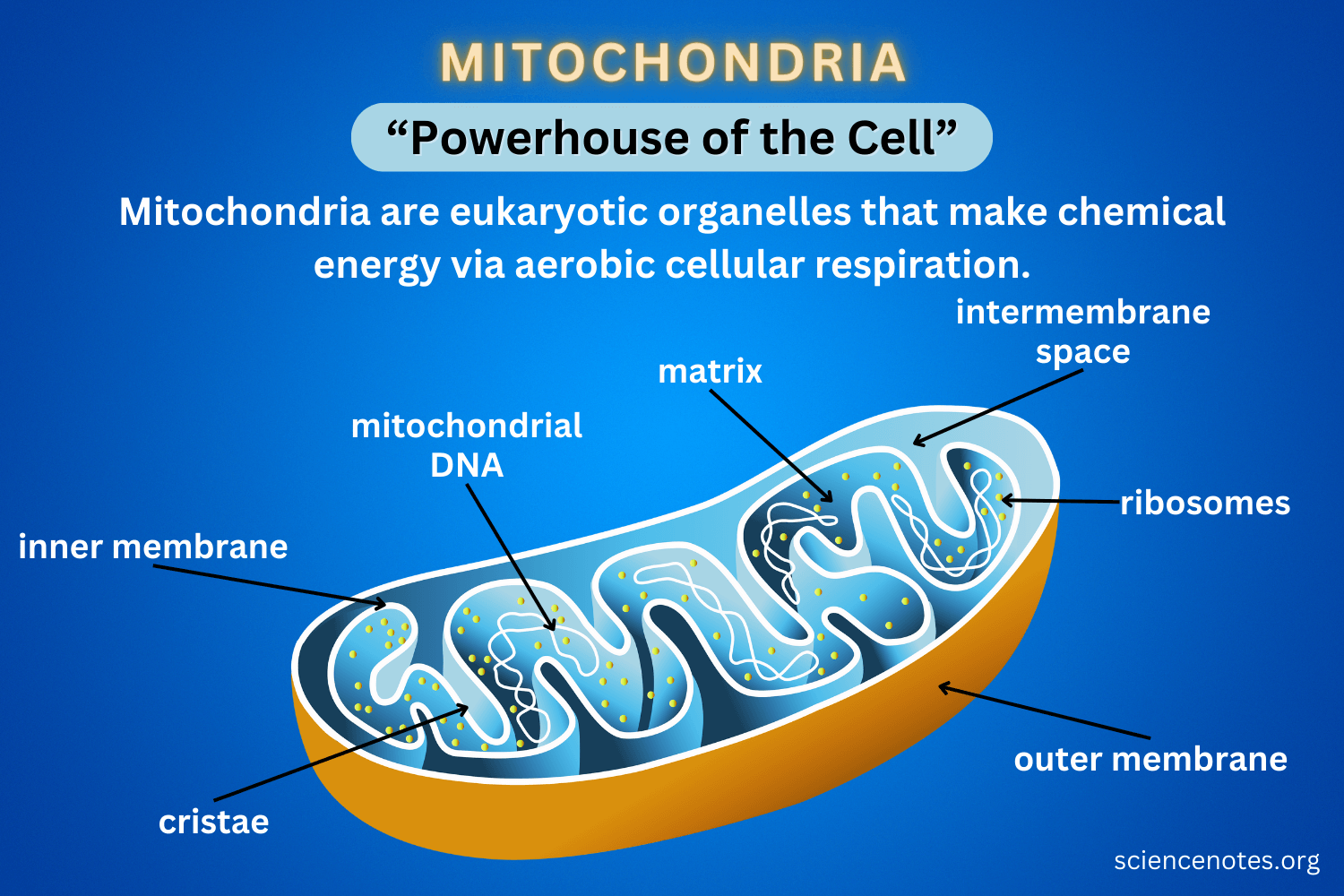
Mitochondria Diagram
Mitochondria are often called the power plants of the cell. These tiny organelles, present in nearly every cell in the human body, generate the majority of the energy required for life.
Through the process of oxidative phosphorylation, mitochondria convert nutrients from food and oxygen into adenosine triphosphate (ATP) — the universal energy currency that powers muscle contraction, nerve signaling, hormone production, tissue repair, and virtually every other biological process.
As mitochondrial efficiency declines with age, individuals commonly experience fatigue, slower recovery from exercise or stress, reduced physical and mental performance, cognitive fog, and metabolic slowdown. Supporting mitochondrial health has therefore become a central focus in longevity science, with peptides playing an increasingly prominent role in emerging research.
Mitochondrial Biology and the Aging Process
Mitochondria are unique because they possess their own circular DNA (mtDNA), separate from nuclear DNA. This allows them to produce some of their own proteins, but it also makes them vulnerable. Unlike nuclear DNA, mitochondrial DNA lacks robust repair mechanisms and is located close to the site of reactive oxygen species (ROS) production — the natural byproducts of energy generation.
Over decades, accumulated damage to mtDNA, reduced mitochondrial biogenesis (creation of new mitochondria), impaired dynamics (fission and fusion processes), and declining electron transport chain efficiency contribute to what researchers call “mitochondrial dysfunction,” considered one of the nine hallmarks of aging.
When mitochondria become less efficient, cells receive less ATP. High-energy-demand tissues suffer first: skeletal muscle, heart muscle, brain neurons, and liver cells. This manifests as:
Persistent low energy and fatigue
Slower recovery after physical exertion
Reduced exercise capacity and VO2 max
Brain fog and declining cognitive performance
Increased insulin resistance and fat accumulation
Accelerated visible aging (skin, hair, muscle tone)
Peptides and Mitochondrial Support
Several peptides are being actively researched for their potential to support mitochondrial function and energy production. One of the most discussed is MOTS-c (mitochondrial open reading frame of the 12S rRNA type-c), a mitochondrial-derived peptide (MDP) encoded directly within the mitochondrial genome.
Research suggests MOTS-c may:
Enhance metabolic flexibility (the ability to switch between burning glucose and fat)
Improve insulin sensitivity
Promote fat oxidation
Activate AMPK (a master regulator of cellular energy)
Support mitochondrial biogenesis through PGC-1α pathways
Other peptides and related compounds under investigation include:
Certain growth hormone secretagogues that indirectly support mitochondrial health through improved sleep and recovery
Anti-inflammatory peptides that reduce oxidative stress on mitochondria
Emerging synthetic peptides designed to target mitochondrial membranes or specific respiratory chain complexes
While much of the data on these compounds comes from preclinical (animal and cell) studies, early human research and anecdotal reports from longevity and biohacking communities describe improvements in energy levels, exercise tolerance, and metabolic markers.
Lifestyle Optimization for Mitochondrial Health
Peptides work most effectively when combined with proven lifestyle practices that naturally support mitochondrial function:
Zone 2 Endurance Training: Moderate-intensity cardio (the “talk test” zone) is one of the strongest stimulators of mitochondrial biogenesis.
Resistance Training: Builds muscle mass, which contains high concentrations of mitochondria.
Caloric Cycling and Intermittent Fasting: These practices can trigger mitophagy (clearance of damaged mitochondria) and adaptive responses.
Cold Exposure and Sauna Use: Hormetic stressors that upregulate protective pathways (including PGC-1α).
Sleep Optimization: Deep sleep is when significant mitochondrial repair and antioxidant production occurs.
Nutrient Support: CoQ10, PQQ, alpha-lipoic acid, omega-3 fatty acids, and polyphenols from colorful plants support mitochondrial membranes and antioxidant defenses.
Measurement and Tracking Mitochondrial Health
Individuals can track mitochondrial function indirectly through:
VO2 max testing (gold standard for aerobic capacity)
Resting heart rate and heart rate variability (HRV)
Blood biomarkers (lactate threshold, fasting insulin, HbA1c)
Biological age clocks that incorporate metabolic efficiency
Performance metrics (recovery speed, strength endurance)
Advanced testing through functional medicine practitioners may include organic acid tests or mitochondrial function assays.
Challenges and Current Limitations
Despite promising research, mitochondrial-targeted peptides face several hurdles. Many compounds are still early in development. Human clinical data is limited compared to lifestyle interventions. Delivery challenges (stability and reaching mitochondria inside cells) remain significant. Cost and regulatory status also restrict widespread access.
Furthermore, mitochondrial health cannot be fixed by peptides alone. Chronic overtraining, poor sleep, nutrient deficiencies, or high toxin exposure can overwhelm even the best interventions.
The Future of Mitochondrial Medicine
The next decade is likely to see rapid advances in mitochondrial therapeutics. AI-assisted design is accelerating discovery of new peptides and small molecules that target specific mitochondrial pathways. Combination therapies — pairing peptides with NAD+ precursors, senolytics, or advanced exercise protocols — may produce synergistic effects.
Some researchers envision a future where mitochondrial function becomes a primary biomarker of biological age, with personalized peptide protocols helping individuals maintain youthful energy levels deep into their later decades.
Practical Takeaways for Readers
Supporting mitochondrial health represents one of the highest-return investments in longevity. Start with foundational lifestyle practices first. Consider peptides only after optimizing sleep, exercise, nutrition, and stress management. When exploring mitochondrial peptides such as MOTS-c, work with knowledgeable clinicians who can monitor relevant biomarkers and adjust protocols based on individual response.
Mitochondrial health is not just about having more energy today — it is about preserving the cellular machinery that makes sustained vitality possible throughout life. As research progresses, peptides may become valuable tools in maintaining robust mitochondrial function, helping bridge the gap between chronological age and biological vitality.