Chapter 13: Peptides and Fat Loss
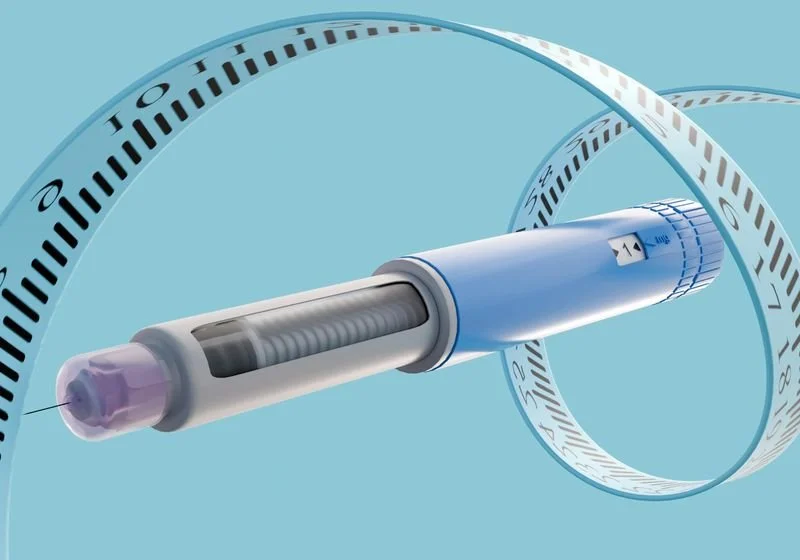
Traditional approaches to fat loss have long centered on creating a caloric deficit through diet and exercise.
While energy balance remains fundamental, modern metabolic science reveals a far more complex system involving hormones, neural signaling, inflammation, sleep quality, stress levels, and gut-brain communication. Peptides are increasingly explored as targeted tools that may help influence these regulatory pathways, potentially making fat loss more efficient and sustainable.
Beyond Calories: The Hormonal and Signaling Regulation of Body Composition
Fat storage and mobilization are tightly controlled by multiple systems. Insulin promotes fat storage, while glucagon, catecholamines, and growth hormone encourage fat breakdown (lipolysis). Leptin signals satiety from fat stores, ghrelin drives hunger, and GLP-1, PYY, and other gut hormones modulate appetite and reward pathways. Chronic inflammation, poor sleep, and elevated cortisol can lock the body into fat-conservation mode even during caloric restriction.
Peptides offer a way to modulate these signaling networks more precisely than broad lifestyle interventions alone, potentially addressing underlying biological resistance to fat loss.
Key Peptide Categories for Metabolic Support and Fat Loss
Several peptide classes are actively discussed in fat loss and body composition contexts:
GLP-1 Receptor Agonists (semaglutide, tirzepatide, liraglutide): The most clinically validated. They powerfully reduce appetite, slow gastric emptying, improve insulin sensitivity, and promote significant fat loss while preserving some lean mass when combined with training.
Growth Hormone Secretagogues (CJC-1295, Ipamorelin, Tesamorelin): Stimulate natural GH pulses, which enhance lipolysis (fat breakdown) and help preserve muscle during calorie deficits. Tesamorelin is particularly noted for reducing visceral (deep abdominal) fat.
MOTS-c and Mitochondrial-Derived Peptides: May improve metabolic flexibility — the body’s ability to efficiently switch between burning carbohydrates and fats.
Other Emerging Peptides: Research continues on compounds that may influence adiponectin signaling, leptin sensitivity, or brown fat activation.
Mechanisms of Action in Fat Loss
Peptides influence fat loss through multiple pathways:
Appetite and Satiety Regulation: GLP-1 analogs act on hypothalamic centers to reduce hunger and food reward, making caloric restriction more tolerable.
Lipolysis Enhancement: GH secretagogues increase fat mobilization from adipose tissue, especially during fasting or exercise states.
Insulin Sensitivity Improvement: Better glucose handling reduces excess insulin, which otherwise promotes fat storage.
Visceral Fat Targeting: Certain peptides preferentially reduce dangerous deep abdominal fat linked to metabolic disease.
Energy Expenditure Support: Some compounds may increase mitochondrial efficiency and thermogenesis.
These mechanisms can create a more favorable metabolic environment for fat loss compared to aggressive dieting alone, which often triggers strong compensatory hunger and metabolic slowdown.
Clinical Evidence and Real-World Applications
GLP-1 peptides have the strongest evidence base, with clinical trials showing 15–22% body weight reduction in many participants. Growth hormone secretagogues have demonstrated improvements in body composition in smaller studies, particularly visceral fat reduction. User reports in biohacking and longevity communities frequently describe easier adherence to deficits, better partitioning (more fat loss, less muscle loss), and improved energy levels during fat loss phases.
However, results vary widely based on individual biology, dosage, lifestyle factors, and duration of use. Peptides are generally most effective when used as part of a structured program rather than as magic solutions.
Challenges and Risks of Peptide-Assisted Fat Loss
Important limitations exist:
Muscle Loss Risk: Significant caloric deficits combined with GLP-1 drugs can lead to notable lean mass reduction without proper resistance training and protein intake.
Rebound Effects: Weight often returns after stopping GLP-1 therapies unless habits have permanently changed.
Side Effects: Nausea, gastrointestinal issues, fatigue, and potential nutrient malabsorption.
Metabolic Adaptation: The body may downregulate metabolism in response to rapid fat loss.
Cost and Dependency: Long-term use can be expensive, and some users report psychological challenges when discontinuing appetite-suppressing effects.
Long-Term Data Gaps: While short-to-medium term safety is well-studied for approved GLP-1 drugs, optimal longevity protocols are still evolving.
Holistic Fat Loss Framework: Peptides + Lifestyle
The most sustainable fat loss occurs when peptides support, rather than replace, foundational habits:
Resistance Training: Essential for preserving muscle and maintaining metabolic rate.
High Protein Nutrition: Protects lean mass and enhances satiety.
Strategic Caloric Cycling: Prevents severe metabolic slowdown.
Sleep and Stress Management: Poor sleep or high cortisol can undermine even the best peptide protocols.
Tracking and Periodization: Regular body composition analysis, strength metrics, and metabolic markers guide adjustments.
Peptides may help overcome plateaus or biological resistance, but they work best within a well-designed lifestyle system.
Future Directions in Peptide-Based Fat Loss
Next-generation developments include:
Oral GLP-1 formulations with better tolerability
Combination peptides (GLP-1 + GIP + glucagon or GH secretagogues)
More selective compounds that minimize muscle loss
Personalized protocols guided by genetic and biomarker testing
Integration with AI-driven nutrition and training adjustments
Practical Guidance for Readers
For those considering peptides for fat loss:
Optimize lifestyle foundations first (training, nutrition, sleep).
Consult a clinician experienced in metabolic therapies.
Prioritize muscle preservation through training and protein.
Use peptides as temporary tools for metabolic recalibration rather than permanent solutions.
Monitor body composition, not just scale weight.
Focus on building sustainable habits during treatment.
Conclusion
Peptides represent a significant advancement in fat loss science by addressing the complex signaling systems that regulate body composition. While not replacements for diet and exercise, they can help create a more favorable biological environment for sustainable fat loss and improved metabolic health.
When used responsibly within a comprehensive program, peptides like GLP-1 agonists and growth hormone secretagogues may help many individuals overcome stubborn fat loss barriers, improve body composition, and support long-term metabolic wellness. Their growing role highlights the shift toward precision, signaling-based approaches in modern body composition optimization.