Chapter 12: GLP-1 Peptides and Metabolic Health
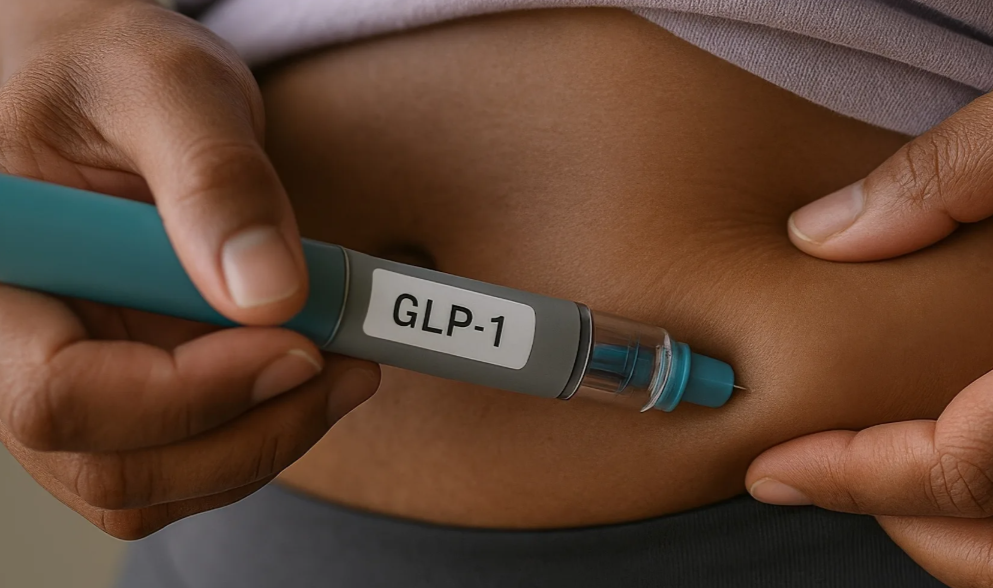
No category of peptides has captured mainstream medical and public attention more dramatically than GLP-1 receptor agonists.
Originally developed for type 2 diabetes management, these compounds have revolutionized obesity treatment and reshaped conversations around metabolic health, weight management, and preventative medicine.
The Science of GLP-1 Signaling
GLP-1 (Glucagon-Like Peptide-1) is a naturally occurring incretin hormone produced by L-cells in the small intestine after meals. It plays several critical roles in metabolic regulation:
Stimulates insulin secretion in a glucose-dependent manner
Suppresses glucagon release (reducing liver glucose output)
Slows gastric emptying, promoting satiety
Acts on the hypothalamus to reduce appetite and food cravings
Improves insulin sensitivity in peripheral tissues
Synthetic GLP-1 receptor agonists are longer-acting analogs designed to amplify these effects. Early compounds like exenatide (Byetta) paved the way, but newer generations — semaglutide (Ozempic, Wegovy), tirzepatide (Mounjaro, Zepbound), and liraglutide (Saxenda) — have dramatically higher potency and duration.
Clinical Evidence and Real-World Impact
Large-scale clinical trials have produced impressive results. The STEP trials for semaglutide and SURMOUNT trials for tirzepatide showed average weight loss of 15–22% of body weight in obese individuals, far exceeding previous pharmacological options. Beyond weight loss, participants demonstrated:
Significant improvements in blood glucose control and insulin sensitivity
Reductions in cardiovascular events (heart attack, stroke)
Lower blood pressure and improved lipid profiles
Decreased systemic inflammation markers
Potential benefits for fatty liver disease
These outcomes have shifted obesity from being viewed primarily as a lifestyle issue to a treatable medical condition with strong biological drivers. The success of GLP-1 drugs has also increased public awareness of peptide therapeutics in general.
Applications Beyond Weight Loss
Emerging research suggests GLP-1 peptides may have broader benefits:
Neuroprotection: Improving brain insulin signaling and potentially reducing risk of Alzheimer’s and Parkinson’s (“type 3 diabetes” hypothesis)
Cardiovascular Protection: Independent benefits beyond weight loss
Addiction and Compulsive Behaviors: Early studies show reduced cravings for alcohol, nicotine, and other substances
Metabolic Syndrome Reversal: Addressing multiple components simultaneously
Longevity Potential: By improving insulin sensitivity and reducing visceral fat, they may slow certain aging processes
Challenges and Side Effects
Despite their success, GLP-1 peptides come with important limitations:
Gastrointestinal Side Effects: Nausea, vomiting, constipation, and diarrhea are common, especially during dose escalation
Muscle Loss: Significant weight loss can include lean mass if resistance training and high protein intake are not prioritized
Rebound Weight Gain: Most weight returns upon discontinuation without sustained lifestyle changes
Cost and Access: High monthly costs limit availability for many people
Long-Term Unknowns: While generally safe in trials lasting several years, multi-decade data is still emerging
Thyroid and Pancreatic Concerns: Rare but monitored risks in specific populations
Lifestyle Synergy – The Key to Sustainable Results
GLP-1 peptides work best as tools within a comprehensive metabolic health strategy rather than standalone solutions. Optimal outcomes typically involve:
Progressive resistance training to preserve muscle mass
High protein intake (1.6–2.2g per kg of body weight)
Fiber-rich whole food nutrition
Consistent sleep and stress management
Behavioral changes around eating patterns and food environment
When combined with these foundations, GLP-1 therapies can help recalibrate metabolic signaling, making healthy habits easier to maintain long-term.
Future Generations of GLP-1 Medicine
The field is advancing rapidly. Next-generation compounds include:
Dual and triple agonists (GLP-1 + GIP + glucagon) such as tirzepatide and retatrutide
Oral formulations with improved bioavailability
Longer-acting versions requiring less frequent dosing
Combination therapies with other peptides (e.g., growth hormone secretagogues for muscle preservation)
Researchers are also exploring lower-dose protocols for metabolic optimization in non-obese individuals and potential applications in cardiovascular disease prevention.
Regulatory and Societal Impact
The explosive demand for GLP-1 drugs has created supply shortages, pricing debates, and insurance coverage challenges. It has also sparked important conversations about the medicalization of obesity and the ethics of using pharmacological tools for metabolic health versus lifestyle-only approaches.
Practical Guidance for Readers
For individuals considering GLP-1 peptides:
Work with a knowledgeable clinician for proper evaluation and monitoring
Commit to resistance training and nutrition to protect muscle mass
View the therapy as a metabolic “reboot” rather than a permanent crutch
Focus on sustainable habits during and after treatment
Monitor biomarkers (glucose, insulin, body composition, muscle mass)
Conclusion
GLP-1 peptides represent a landmark achievement in peptide science and metabolic medicine. They have demonstrated that targeted signaling molecules can produce transformative clinical outcomes for one of the largest health challenges of our time.
While not without drawbacks, their ability to meaningfully improve appetite regulation, insulin sensitivity, body composition, and cardiovascular risk makes them a powerful tool in the longevity and preventative health arsenal. As formulations improve and combination strategies mature, GLP-1-based therapies may become foundational components of personalized metabolic optimization for extending healthspan.
Their success also validates the broader potential of peptide therapeutics — showing that precision biological signaling can address root causes rather than simply managing symptoms of modern metabolic dysfunction.