Chapter 11: TB-500 and Regeneration
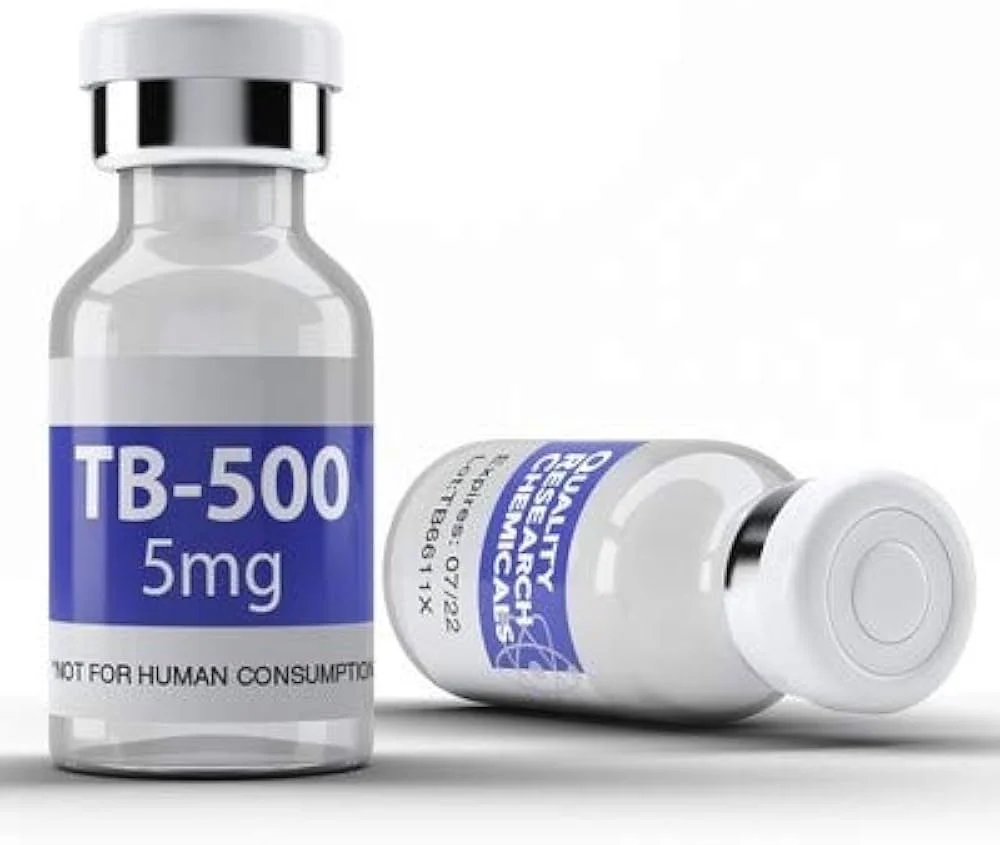
TB-500 pic
TB-500, also known as Thymosin Beta-4 fragment, is another peptide that has gained substantial attention in regenerative medicine, sports recovery, and longevity communities.
It is a synthetic version of a naturally occurring portion of the protein thymosin beta-4, which is present in nearly all human cells and plays important roles in wound healing and tissue remodeling. TB-500 has become particularly popular for its potential to support recovery from injuries, improve flexibility, and promote overall tissue regeneration.
Origin and Biological Role of Thymosin Beta-4
Thymosin beta-4 is a 43-amino-acid protein originally isolated from the thymus gland. It is one of the most abundant proteins in the body and is highly conserved across species, suggesting its fundamental importance in cellular function. The full protein is involved in actin sequestration — binding to actin monomers to regulate cell structure, movement, and division.
TB-500 represents a shorter, more stable 7-amino-acid fragment (often referred to as Ac-LKKTETQ) designed to retain the key regenerative properties while improving practicality for therapeutic use. Researchers developed it to harness thymosin beta-4’s healing capabilities in a more targeted and stable form.
Mechanisms of Action
TB-500 appears to work through several key regenerative pathways:
Actin Regulation and Cellular Migration: By modulating actin, TB-500 facilitates the movement of cells (keratinocytes, fibroblasts, endothelial cells) to sites of injury, accelerating the repair process.
Angiogenesis: Promotes the formation of new blood vessels, improving nutrient and oxygen delivery to damaged tissues.
Anti-Inflammatory Effects: Helps shift the inflammatory environment from chronic to resolution phase, reducing excessive scar tissue formation.
Extracellular Matrix Remodeling: Supports the reorganization of collagen and other structural proteins for stronger, more functional healed tissue.
Stem Cell Recruitment: May enhance the migration and differentiation of progenitor cells involved in tissue repair.
Myofibroblast Regulation: Helps control the cells responsible for wound contraction and scar formation, potentially leading to better flexibility and reduced fibrosis.
These mechanisms make TB-500 particularly interesting for both acute injury recovery and chronic age-related tissue degeneration.
Applications in Sports, Recovery, and Longevity
In athletic and regenerative communities, TB-500 is frequently discussed for:
Chronic tendon and ligament injuries (tennis elbow, Achilles tendinopathy, rotator cuff issues)
Muscle strains and tears
Joint mobility and flexibility improvement
Post-surgical recovery and scar tissue reduction
General recovery from intense training blocks
Age-related decline in tissue resilience and mobility
Cardiovascular and neurological repair research (preclinical stage)
Users often report improved range of motion, reduced stiffness, faster resolution of nagging injuries, and better overall recovery capacity. It is commonly administered via subcutaneous injection, sometimes in loading phases followed by maintenance dosing.
Evidence Base
Like many regenerative peptides, TB-500 has a solid foundation of preclinical research. Animal studies have shown accelerated healing in muscle, tendon, ligament, skin, and heart tissue models. Some early human observational data and case reports from compounding pharmacies support these findings, particularly in orthopedic and sports medicine contexts.
However, large-scale, randomized, placebo-controlled human clinical trials remain limited. Much of the current enthusiasm is driven by mechanistic understanding, animal data, and widespread anecdotal reports. This creates the familiar pattern in peptide science: promising biology paired with the need for more rigorous human evidence.
Synergy with BPC-157
TB-500 and BPC-157 are frequently discussed together as a complementary pair. While BPC-157 tends to excel at localized repair, anti-inflammatory effects, and gut protection, TB-500 appears to provide more systemic regenerative support through cellular migration and actin dynamics. Many protocols combine both peptides for comprehensive recovery — BPC-157 for targeted injury sites and TB-500 for broader tissue remodeling and flexibility.
Safety Profile and Considerations
Available data suggests TB-500 is generally well-tolerated with low toxicity in animal studies. Reported side effects are typically mild (injection site reactions, temporary fatigue). However, important caveats remain:
Limited long-term human safety data
Theoretical concerns regarding angiogenesis in individuals with active tumors
Product quality variability in non-regulated markets
Regulatory status as a research chemical in most jurisdictions
As with all peptides, third-party testing, proper storage, and medical supervision are essential. Individuals with cancer history or those on blood-thinning medications should exercise particular caution.
Integration with Rehabilitation and Lifestyle
TB-500 shows the best results when used as part of a comprehensive recovery program rather than in isolation. Optimal outcomes typically involve:
Progressive, controlled loading of injured tissues (working with physical therapists)
Adequate protein and collagen intake
Sleep optimization for tissue repair
Anti-inflammatory nutrition
Mobility and flexibility training
The peptide may accelerate the body’s natural healing timeline but does not replace proper rehabilitation mechanics.
Future Research Directions
Current research is exploring TB-500 and thymosin beta-4 analogs for broader applications, including:
Cardiovascular repair after heart attack
Neurological recovery after stroke or traumatic brain injury
Age-related frailty and mobility preservation
Improved wound healing in diabetic patients
Advanced delivery systems (longer-acting formulations)
As biotechnology improves, more targeted and stable versions may emerge with better clinical data.
Practical Guidance for Readers
TB-500 represents an exciting frontier in regenerative peptides. For those dealing with stubborn injuries or age-related mobility challenges, it offers potential support for the body’s natural repair systems. However, it should be approached with the same responsible mindset as other advanced interventions:
Address root causes (biomechanics, training technique, lifestyle factors) first.
Consult qualified medical professionals familiar with regenerative therapies.
Source from reputable suppliers with verifiable testing.
Track objective outcomes (pain levels, range of motion, strength metrics).
Maintain realistic expectations — results vary significantly between individuals.
Conclusion
TB-500 highlights the growing interest in peptides that support the body’s innate regenerative capacity rather than simply masking symptoms. Its focus on cellular migration, tissue remodeling, and flexibility makes it particularly relevant for both athletes recovering from injury and aging individuals seeking to maintain mobility and independence.
While more high-quality human research is needed, TB-500 remains one of the more compelling tools in the regenerative peptide category. When used intelligently within a broader recovery framework, it may help many people heal better, move better, and maintain physical function longer into life.