Chapter 10: BPC-157 and Tissue Repair
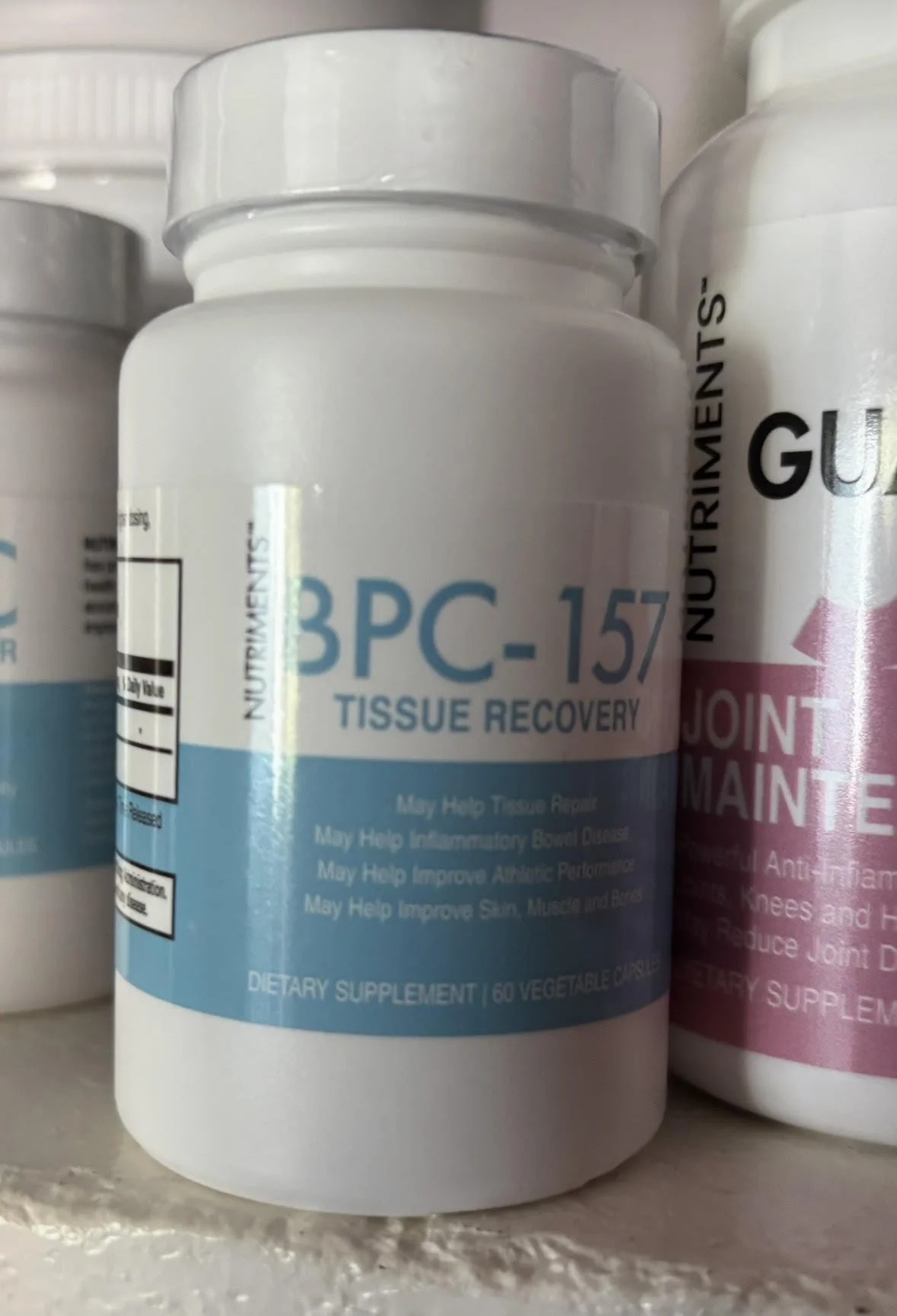
Few peptides have generated as much discussion, excitement, and controversy in regenerative medicine and athletic recovery communities as BPC-157.
Short for Body Protection Compound-157, this synthetic pentadecapeptide (15 amino acids) has attracted significant attention for its potential role in accelerating healing across multiple tissue types. Originally derived from a protective protein found in human gastric juice, BPC-157 is now one of the most widely explored compounds in the peptide longevity and performance space.
Origin and Discovery
BPC-157 was first isolated and studied in the 1990s by Croatian researchers led by Dr. Predrag Sikiric at the University of Zagreb. They identified a larger protein in gastric secretions that appeared to protect the stomach lining from damage caused by alcohol, NSAIDs, and stress. From this parent protein, they synthesized the stable 15-amino-acid fragment known as BPC-157.
Early animal research revealed remarkable protective and healing effects not only in the gastrointestinal tract but across many other tissues. This broad activity led researchers to nickname it a “body protection compound.”
Proposed Mechanisms of Action
BPC-157 appears to operate through multiple biological pathways, making it a pleiotropic (multi-functional) peptide. Key proposed mechanisms include:
Angiogenesis Modulation: Promotes controlled formation of new blood vessels to deliver nutrients and oxygen to injured areas.
Collagen Deposition and Tissue Remodeling: Enhances organization of collagen fibers during healing, potentially leading to stronger, more functional scar tissue.
Anti-Inflammatory Effects: Modulates inflammatory cytokines and promotes resolution rather than chronic inflammation.
Growth Factor Upregulation: Interacts with VEGF (vascular endothelial growth factor), TGF-β, and other repair signaling molecules.
Nitric Oxide System Interaction: Influences endothelial function and blood flow.
Neuroprotective and Neuroregenerative Effects: Shows promise in nerve injury models, potentially supporting recovery from neurological damage.
Gut Barrier Protection: Strengthens tight junctions and mucosal integrity.
One of the most intriguing aspects of BPC-157 is its apparent ability to work systemically (when injected subcutaneously) while also showing strong localized effects when administered near injury sites.
Applications in Tissue Repair and Recovery
BPC-157 has been researched and discussed for a wide range of conditions:
Tendon and Ligament Injuries: Some of the strongest preclinical data exists for Achilles tendon, rotator cuff, and ligament healing.
Muscle Strains and Tears: Accelerated recovery from soft tissue damage.
Joint and Cartilage Health: Potential support for osteoarthritis and joint repair.
Bone Healing: Improved fracture recovery in animal models.
Gastrointestinal Repair: Strong evidence for healing ulcers, IBD-like conditions, and leaky gut.
Post-Surgical Recovery: Reduced inflammation and faster return of function.
Neurological Injury: Emerging research on spinal cord and peripheral nerve repair.
In athletic and longevity communities, users frequently report faster resolution of chronic tendonitis, reduced joint pain, improved mobility, and quicker return to training after injuries. Oral forms are often used for gut-related issues, while subcutaneous or localized injections are preferred for musculoskeletal problems.
Evidence Base: Preclinical, Clinical, and Anecdotal
BPC-157 has an extensive body of animal research (hundreds of studies) demonstrating consistent healing benefits with very low toxicity. However, large-scale, randomized, double-blind human clinical trials remain limited. Most human data consists of smaller observational studies, case reports, and substantial anecdotal evidence from compounding pharmacies and user communities.
This evidence gap creates the characteristic tension surrounding BPC-157: strong mechanistic plausibility and real-world reports versus the need for more rigorous human data. Regulatory agencies in most countries classify it as investigational or research-only, not approved for clinical use.
Safety Profile and Important Caveats
Available research suggests BPC-157 has a favorable safety profile with low reported toxicity. However, potential concerns include:
Unknown long-term effects (most studies are relatively short-term)
Theoretical angiogenesis risks in individuals with active cancers
Product quality and purity issues in unregulated markets
Limited formal pharmacokinetic data in humans
As with all peptides, sourcing from reputable, third-party tested suppliers is critical. Medical supervision is strongly recommended, especially for those with pre-existing conditions.
Synergistic Approaches
Many practitioners report enhanced results when BPC-157 is combined with:
TB-500 (for broader systemic repair)
Proper rehabilitation protocols and progressive loading
Collagen supplementation, vitamin C, and zinc
Anti-inflammatory nutrition and sleep optimization
Physical therapy or targeted exercise
The peptide appears to work best as an adjunct to intelligent loading and recovery practices rather than a standalone solution.
Future Research Directions
Ongoing research is exploring BPC-157 for broader applications including cardiovascular repair, inflammatory bowel disease, and neurodegenerative conditions. Advances in oral bioavailability and stabilized formulations may expand its practicality. If larger human trials confirm the promising preclinical results, BPC-157 could become a valuable tool in regenerative and longevity medicine.
Practical Guidance for Readers
BPC-157 represents the cutting edge — and the uncertainty — of peptide science. While many users describe transformative recovery experiences, it should not be viewed as a miracle cure. Responsible exploration involves:
Working with a knowledgeable clinician
Addressing underlying biomechanical or lifestyle issues first
Using appropriate dosing protocols (educational only — specific protocols vary)
Monitoring progress with objective measures (pain scales, mobility tests, imaging when relevant)
Maintaining realistic expectations
Conclusion
BPC-157 exemplifies the promise and current limitations of regenerative peptides. Its broad tissue-protective and healing effects make it one of the most interesting compounds in the longevity toolkit. As research matures and more high-quality human data emerges, BPC-157 may become a cornerstone therapy for injury recovery and age-related tissue maintenance.
For now, it serves as a powerful example of how targeted peptide signaling may help the body restore balance and accelerate natural repair processes — potentially helping people maintain mobility, independence, and quality of life as they age.