THE FASTEST GROWING PROFESSIONAL PEPTIDE & LONGEVITY NETWORK IN THE USA
Welcome to PeptidePedia360.com—your ultimate compass for the new health frontier. If you are a medical or research professional and are seeking 503 A/B compliant peptides routed through a trusted, US-based supplier, feel free to contact us by text or email and we’ll introduce you. We do not associate with Chinese labs.
Let’s start by educating the public and medical professionals.
We are relentless advocates for optimal health and longevity science, focusing exclusively on solutions the human body inherently recognizes. No synthetic guesswork, no foreign disruptions—just elements true to our nature that unlock your biology's peak potential.
The world of wellness is evolving at breakneck speed, and you shouldn’t have to sift through gatekept data or dense clinical jargon to find what works. We built PeptidePedia360 to be the public’s premier, go-to destination for the real story on peptides. From cutting-edge research updates to raw, real-world anecdotal evidence, we bridge the gap between pure science and lived experience.
Whether you are looking to learn about optimizing your energy, fast-tracking recovery, or extending your health span, we deliver the unfiltered truth. Welcome to the future of longevity. Welcome to PeptidePedia360.
Search any term, or health condition and find out which peptide or other solution is related to the treatment of that condition.
Featured Video: Peptides & Joint Pain
Featured Blog August: 6 Peptides Get the “Green Light via FDA Advisory Panel: CLICK HERE
Featured Blog July: Why Nasal and Oral Sprays Are Outperforming Traditional Methods: CLICK HERE
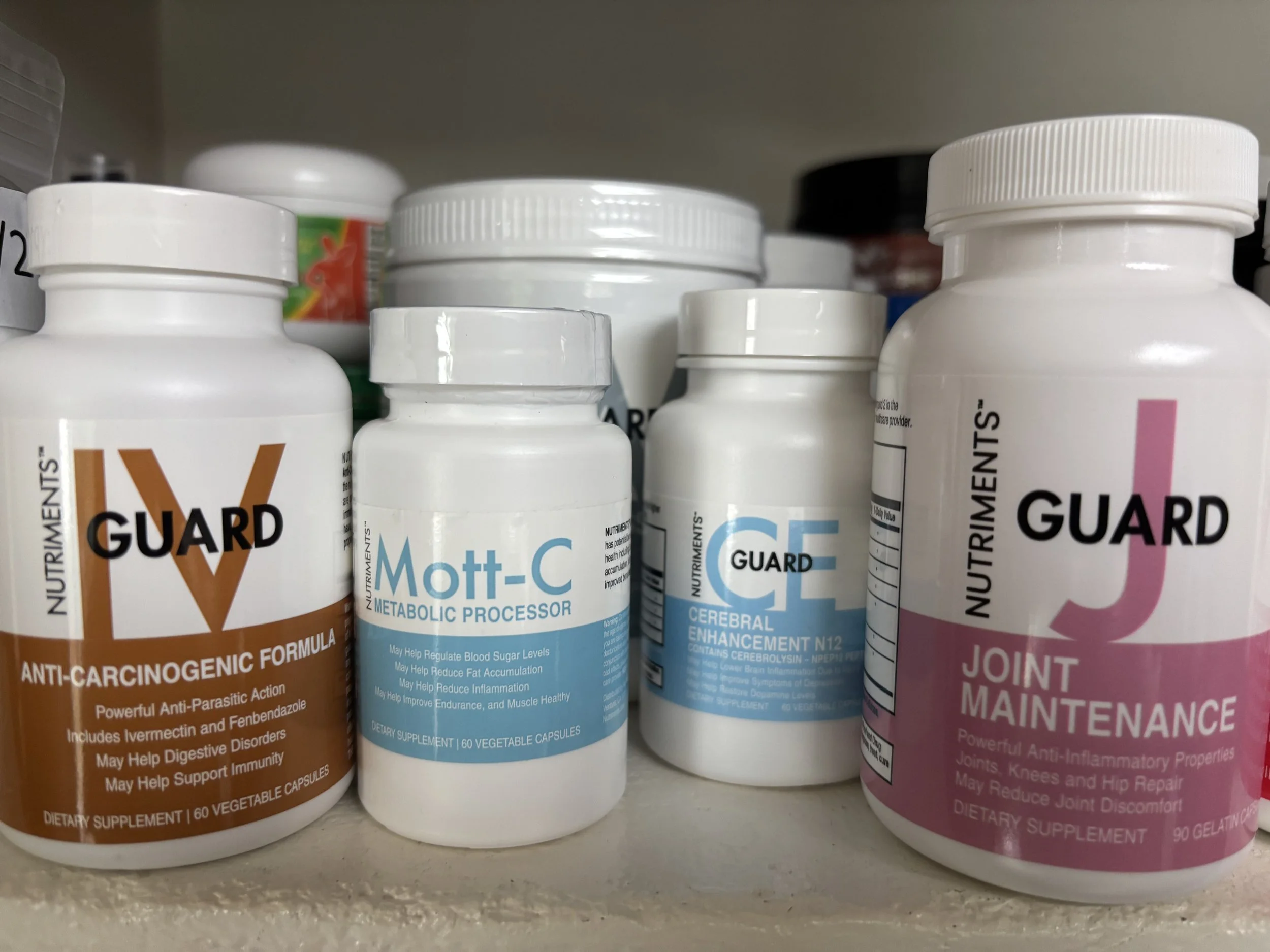
Featured Blog June: Cancer Remedies in De-Worming Treatment, Fenbendazole, Ivermectin - What?: CLICK HERE
The Current Peptide Revolution in Longevity Science
We are living in the midst of a quiet revolution.
For most of human history, aging was accepted as an inevitable decline — a slow surrender of strength, clarity, vitality, and independence. Medicine fought disease after it appeared, but rarely addressed the underlying processes of aging itself. That era is ending.
Today, a new frontier is emerging at the intersection of biotechnology, molecular signaling, and preventative health. At its center are peptides
Chapter One — The New Frontier of Human Health
For most of modern history, medicine has largely been reactive. People become sick, symptoms appear, and healthcare systems respond by treating disease after damage has already begun. Yet a profound shift is now underway. A growing movement of scientists, physicians, entrepreneurs, athletes, and everyday individuals is beginning to focus not simply on extending life, but on extending vitality.
This movement is known as longevity science.
Chapter 2: What Are Peptides?
At their most basic level, peptides are short chains of amino acids. Amino acids are the building blocks of proteins, and peptides act as signaling molecules within the human body.
The body naturally produces countless peptides every day. These peptides help regulate:
hormone production
immune function
sleep cycles
tissue repair
Chapter 3: The History of Peptide Science
The scientific foundations of peptide research extend back over 120 years, evolving from early observations of biological extracts to one of the most dynamic and commercially significant areas of modern biotechnology. What began as rudimentary attempts to isolate active substances from animal tissues has grown into a sophisticated field encompassing synthetic chemistry, recombinant production, targeted therapeutics, and applications across longevity science, regenerative medicine, metabolic health, and performance optimization.

Chapter 5: The Difference Between Lifespan and Healthspan
One of the most important conceptual distinctions in modern longevity science is the difference between lifespan and healthspan. While these terms are often used interchangeably in casual conversation, they represent fundamentally different outcomes that have profound implications for individual well-being and healthcare systems worldwide.

Chapter 6: Peptides and Cellular Communication
The human body operates as an extraordinarily complex communication network. Every second of every day, trillions of cells exchange billions of biochemical signals to maintain balance, respond to challenges, and coordinate physiological functions. Hormones, neurotransmitters, cytokines, enzymes, and peptides all work together in highly orchestrated systems that regulate nearly every aspect of human life — from energy production and immune defense to tissue repair, cognition, and aging processes.
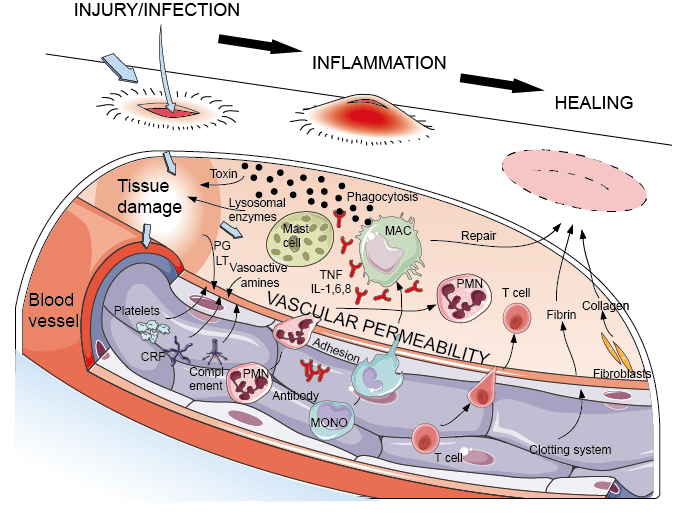
Chapter 7: Inflammation — The Silent Killer
Inflammation has become one of the defining health discussions of the modern era.
For decades, many people associated inflammation only with visible injury or pain. A swollen ankle, a sore muscle, or a fever were obvious signs that the immune system was responding to a problem. Modern science now understands that inflammation can also exist quietly beneath the surface for years before symptoms become severe.
Researchers increasingly believe chronic low-grade inflammation may contribute to some of the most common diseases associated with aging.
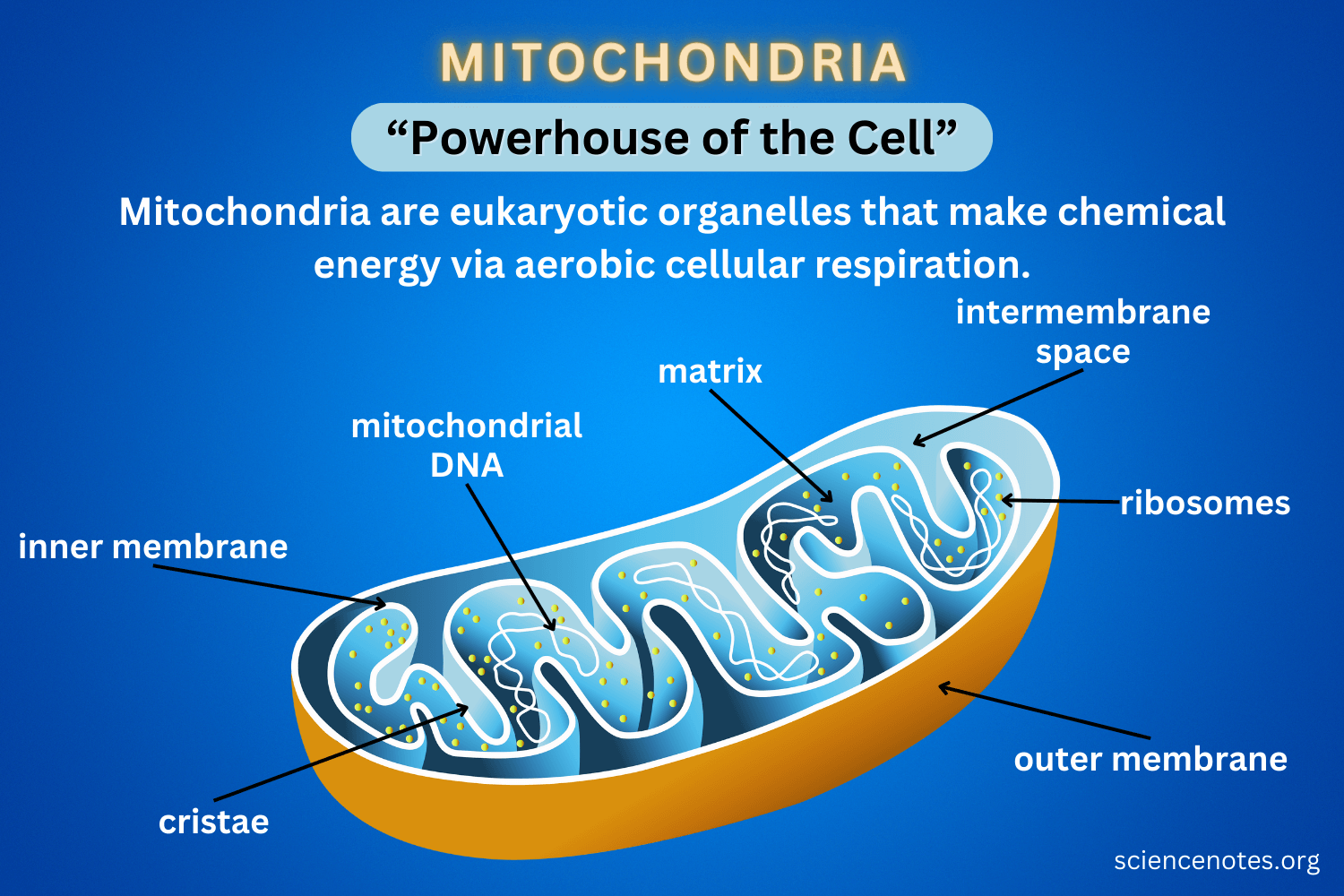
Chapter 8: Mitochondria and Human Energy
Lorem ipsum dolor sit amet, consectetur adipiscing elit, sed do eiusmod tempor incididunt ut labore et dolore magna aliqua.
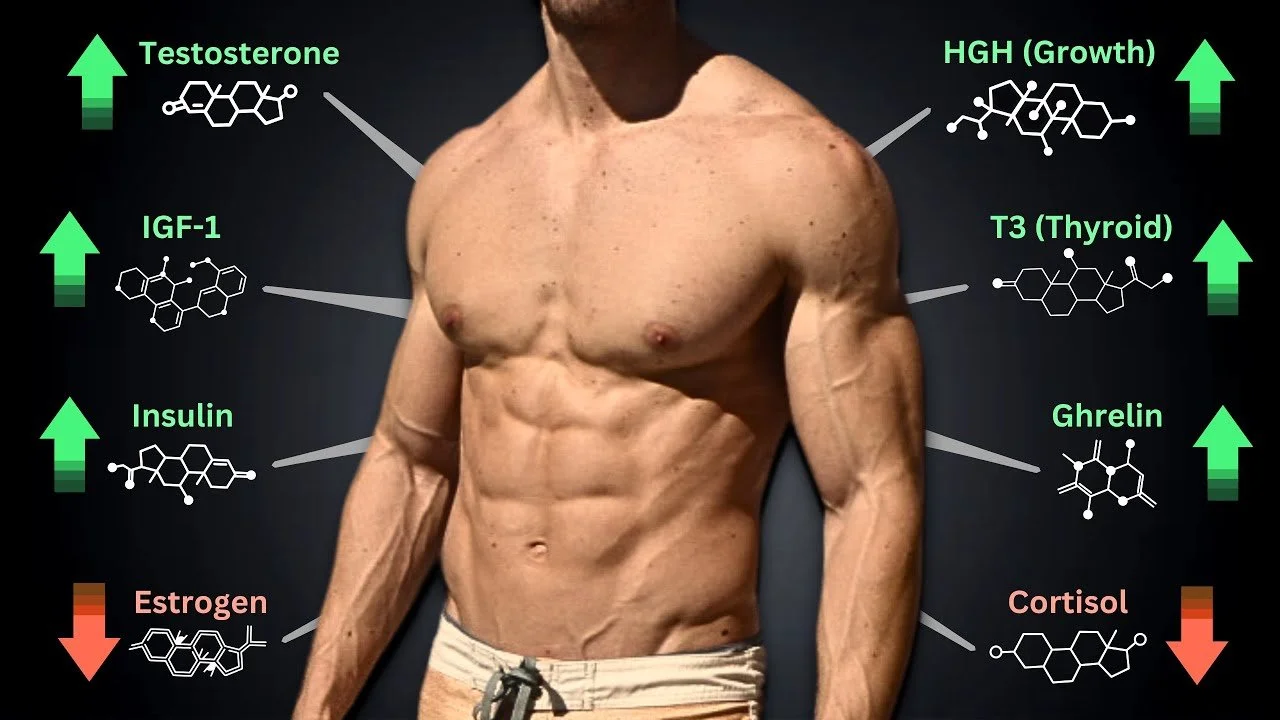
Chapter 9: Growth Hormone Pathways and Recovery
Human growth hormone (GH), also known as somatotropin, plays a fundamental role in tissue repair, muscle maintenance, fat metabolism, skin elasticity, bone density, and overall recovery capacity. Secreted primarily by the pituitary gland in pulsatile bursts, particularly during deep sleep, GH levels are highest during childhood and adolescence, supporting rapid growth and development. After age 30,
natural GH production declines steadily — often by 10–15% per decade — contributing to many visible and functional aspects of aging.

Chapter 10: BPC-157 and Tissue Repair
Few peptides have generated as much discussion, excitement, and controversy in regenerative medicine and athletic recovery communities as BPC-157. Short for Body Protection Compound-157, this synthetic pentadecapeptide (15 amino acids) has attracted significant attention for its potential role in accelerating healing across multiple tissue types. Originally derived from a protective protein found in human gastric juice, BPC-157 is now one of the most widely explored compounds in the peptide longevity and performance space.

Chapter 11: TB-500 and Regeneration
TB-500 represents an exciting frontier in regenerative peptides. For those dealing with stubborn injuries or age-related mobility challenges, it offers potential support for the body’s natural repair systems.

Chapter 12: GLP-1 Peptides and Metabolic Health
Originally developed for type 2 diabetes management, these compounds have revolutionized obesity treatment and reshaped conversations around metabolic health, weight management, and preventative medicine.

Chapter 13: Peptides and Fat Loss
When used responsibly within a comprehensive program, peptides like GLP-1 agonists and growth hormone secretagogues may help many individuals overcome stubborn fat loss barriers, improve body composition, and support long-term metabolic wellness. Their growing role highlights the shift toward precision, signaling-based approaches in modern body composition optimization.

Chapter 14: Cognitive Enhancement and Brain Health
The prospect of losing memory, mental sharpness, focus, or independence strikes at the core of personal identity and quality of life. As research progresses, cognitive peptides could become central components of personalized longevity protocols — helping humanity not only live longer, but think clearly and engage fully throughout extended lifespans.